Govinda GalleryCelebrating 50 Golden Years2026-06-02T06:14:28Zhttp://govindagallery.com/feed/atom/WordPress.comhttps://govindagallery.com/wp-content/uploads/2025/01/gold-g-transparent.png?w=25Chris Murray<![CDATA[William Coupon 1952-2026]]>http://govindagallery.com/?p=239582026-06-02T06:14:28Z2026-06-02T06:03:40ZBy Chris Murray
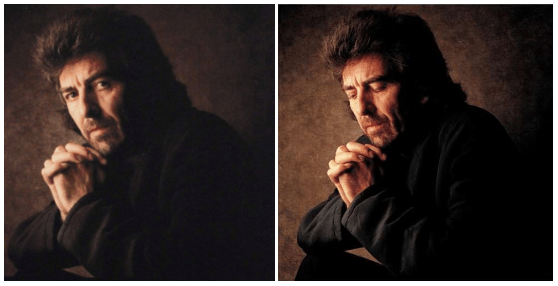
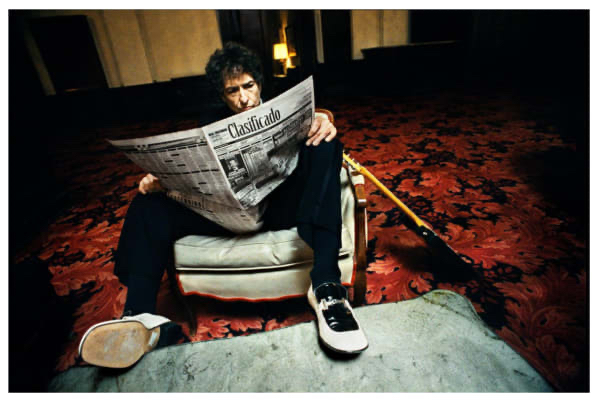
George Harrison, Los Angeles, 1998
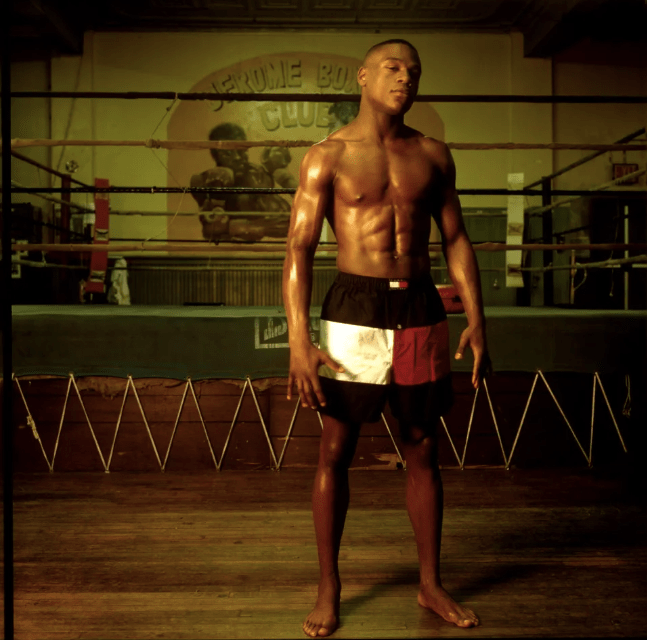
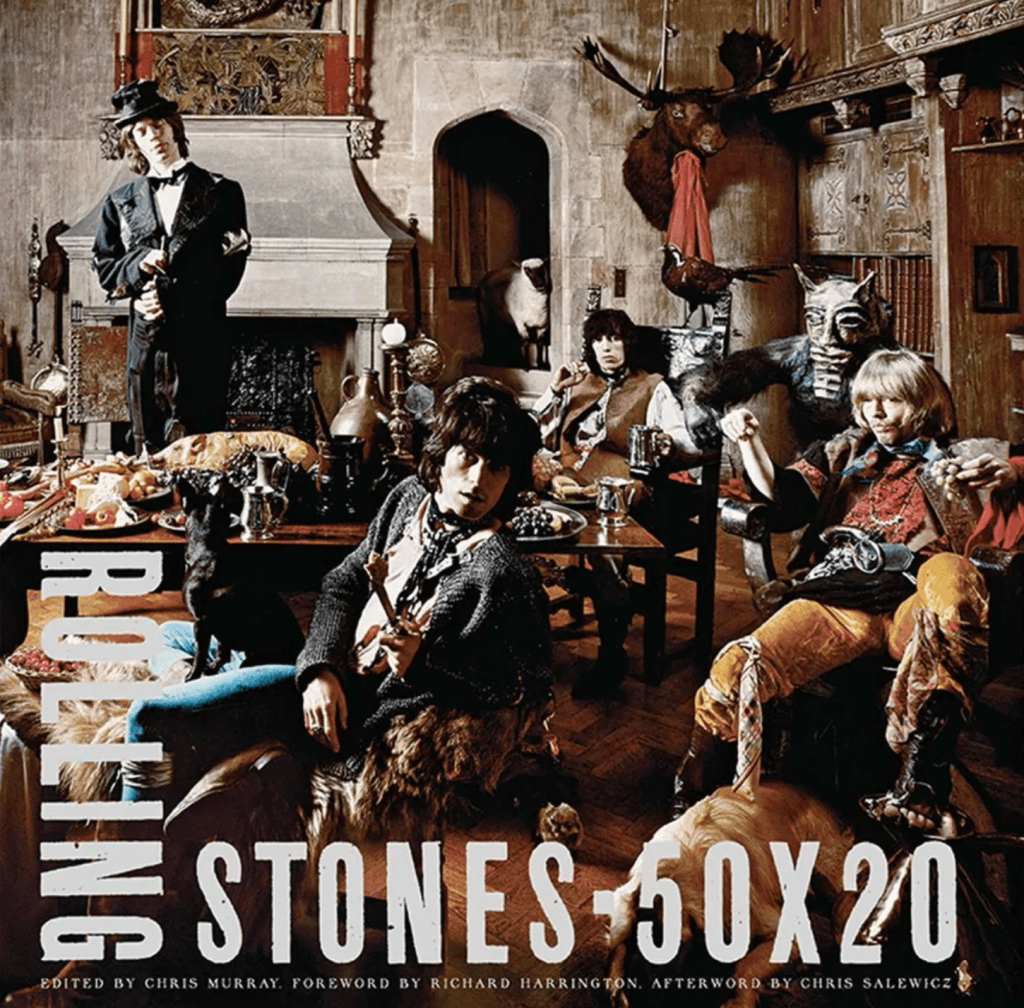
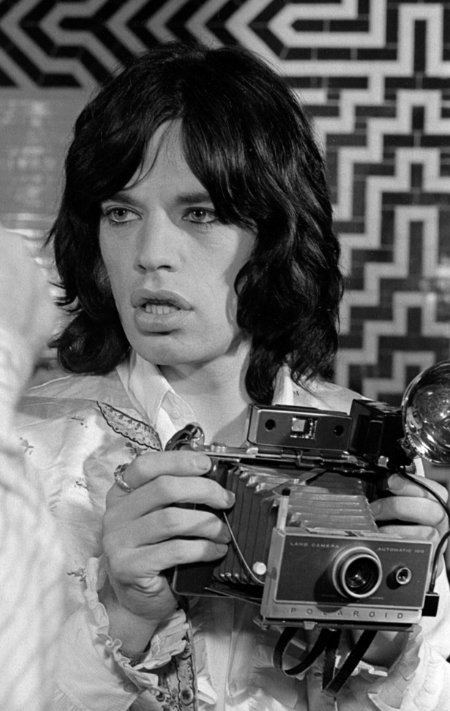
Portrait photographer William Coupon just passed on. He had his first exhibition, William Coupon: Photographs, at Govinda Gallery in the spring of 2005. That exhibition featured portraits of Miles Davis, Bette Midler, Alicia Keys, Andy Warhol, Floyd Mayweather, Laurie Anderson, Public Enemy and many more. His portrait of Mick Jagger was featured in my book Rolling Stones 50×20 (Insight Editions).
Portrait of Floyd Mayweather
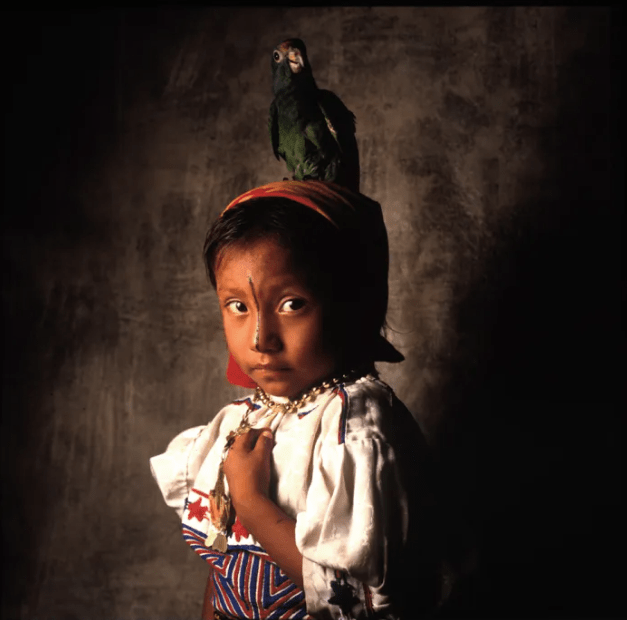
Coupon organized a mobile portable studio, which he used to document global cultures. His photographs of indigenous people included projects with Australian aboriginals, Native Americans, Scandinavian Laplanders, Moroccan Berbers, Spanish Gypsies, and Panamanian Cuna among others. Coupon was invited to photograph the world’s tribal leaders during the 1992 Earth Summit in Rio de Janiero, Brazil.
The Cuna. Porvenir, San Blas Islands, Panama, 1992
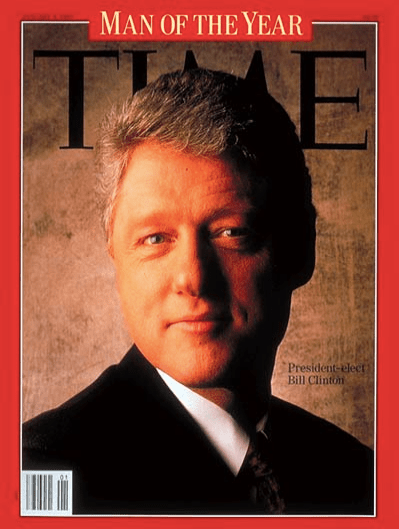
William photographed every President of the United States since Richard Nixon up to George W Bush and his work has appeared on fifteen TIME magazine covers.
William’s photographs will be remembered as an important cultural document of our times. I am glad to have hosted his first exhibition, and to have become his friend.
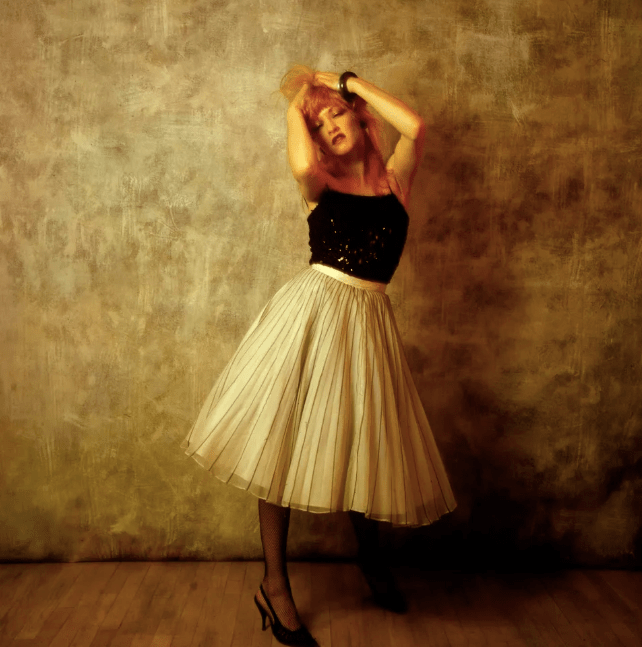
Portrait of Cindy Lauper
]]>1Chris Murray<![CDATA[Celebrating Bob Dylan’s 85th Birthday!]]>http://govindagallery.com/?p=239202026-05-27T04:21:06Z2026-05-27T10:00:00ZBy Chris Murray
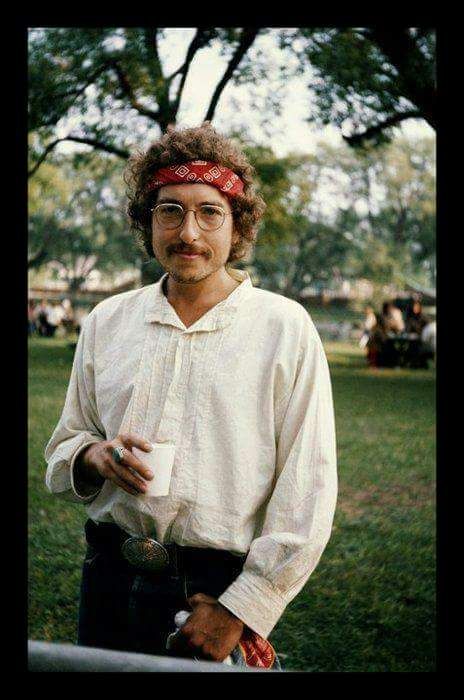
Govinda Gallery celebrates Bob Dylan’s 85th birthday this past weekend. Dylan, America’s greatest songwriter, has been an extraordinary subject for photographers. I had the good fortune to present exhibitions for so many creative photographers who had documented Dylan with their images. Most of the photographers we featured had their first exhibitions at Govinda Gallery.
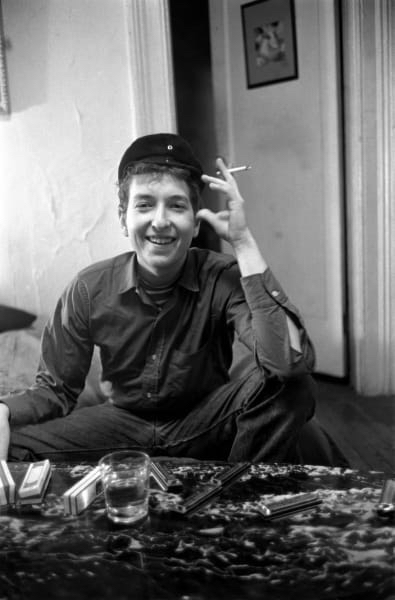
Ted Russell took the earliest professional photographs of Bob Dylan. It was my great pleasure to edit a book of Ted’s photos, Bob Dylan NYC 1961-1964 (Rizzoli, 2015). I first exhibited Ted’s photos of Dylan in 2016 at Photo Museum Ireland, Ireland’s national photo gallery. Then, I exhibited Russell’s photographs at Cuba’s national photo gallery, Fototeca de Cuba, during the spring of 2017. A group of Cuban musicians performed Dylan’s songs at the opening, and the American Ambassador to Cuba attended the exhibition that evening as well. Most recently, Russell’s photographs were featured at the Bob Dylan Center in Tulsa, Oklahoma in 2023. All of these exhibitions were great celebrations of Dylan and his work.
New York City, 1961. Photo by Ted Russell.
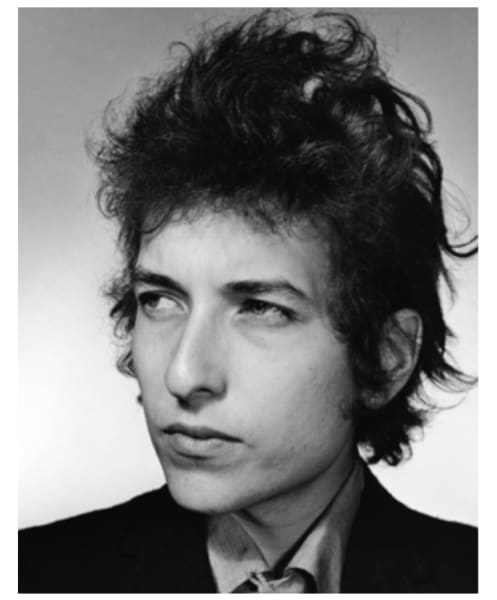
Daniel Kramer’s photographs of Bob Dylan are perhaps the most well-known by any photographer. I had the great pleasure of presenting Daniel’s first exhibition during the spring of 1999 at Govinda Gallery. I was then invited by The Experience Museum Project in Seattle (now known as the Museum of Pop Culture), to organize with Chris Bruce “Artist to Icon,” the first show in their changing exhibition’s gallery at Paul Allen’s extraordinary music museum. I then presented Kramer’s Dylan photos at the Stax Museum of American Soul Music in Memphis in 2005, and then again at the Rock and Roll Hall of Fame in 2006.
Biograph, 1965. Photo by Daniel Kramer.
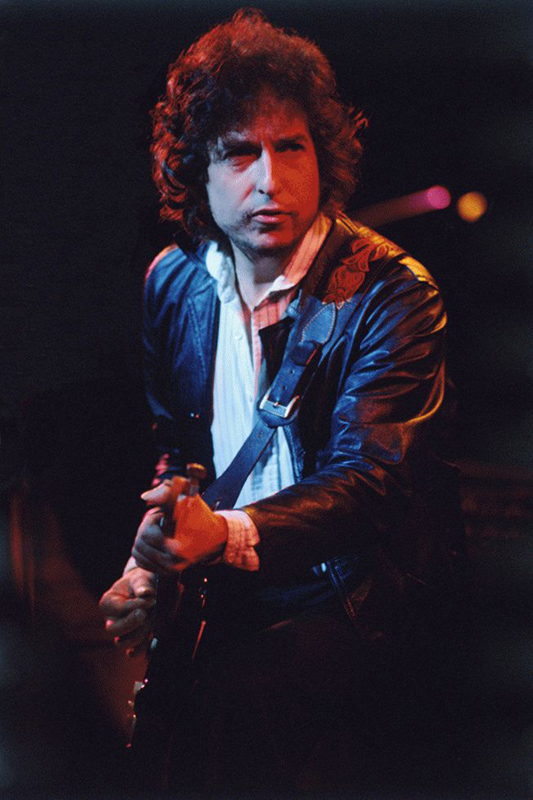
In 1996, we featured Rolling Stone magazine’s first chief photographer, Baron Wolman. I love this photograph of Bob Dylan during his gospel music period. Bob’s gospel albums are among my favorite of his recordings. And Baron Wolman was a true gentleman, and a great photographer.
Warfield Theatre, San Francisco, 1979. Photo by Baron Wolman.
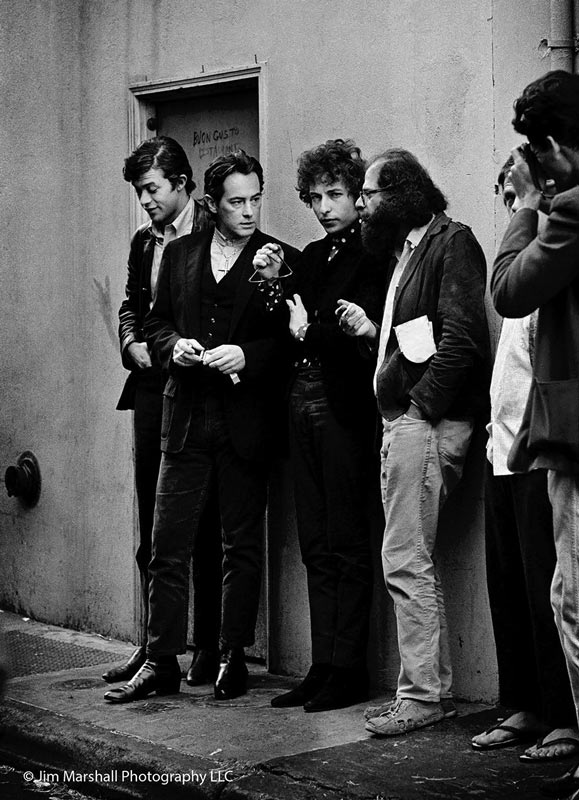
In 2002, I exhibited Jim Marshall’s photographs. His photo of Dylan with Allen Ginsburg is an extraordinary image. Dylan influenced Ginsburg, and Ginsburg influenced Dylan.
San Francisco, 1965. Photo by Jim Marshall.
It was a great honor to have the first exhibition for Barry Feinstein at Govinda Gallery. Barry and Dylan were good friends, and they drove across the country together in a station wagon. Barry’s photo of Dylan is on the cover of his seminal album The Times They are A-Changin’.
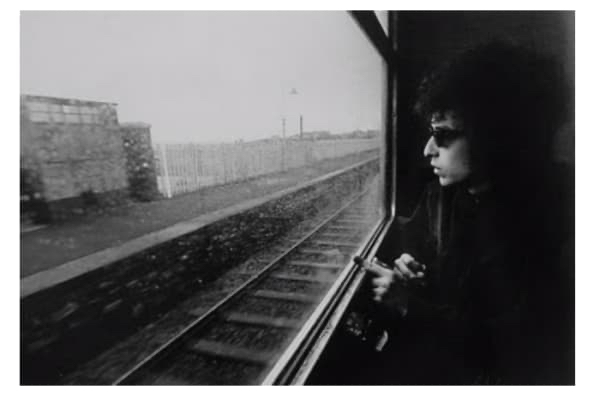
I also edited a book of Barry’s photos of George Harrison, George Harrison: Be Here Now (Rizzoli, 2020), which included many photos of Dylan at the Madison Square Garden Concert for Bangladesh. I particularly love the photo below because Bob is traveling through Ireland.
Ireland, 1966. Photo by Barry Feinstein.
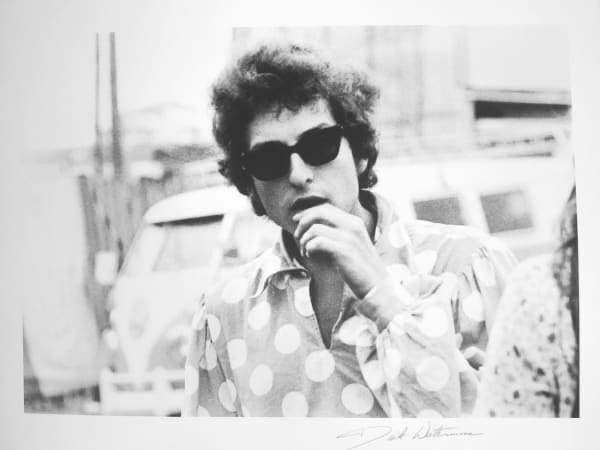
It was a great pleasure to discover Dick Waterman in Oxford, Mississippi, where he was living after he retired. Dick had managed Bonnie Raitt for twenty years, and also established Avalon Productions, the first blues management agency. Dick’s first exhibition was at Govinda Gallery in 2003: “Between Midnight and Day: The Last Unpublished Blues Archive.” I also edited a book of the same name of Dick’s photographs published by Thunders Mouth Press.
Newport, Rhode Island, 1965. Photo by Dick Waterman.
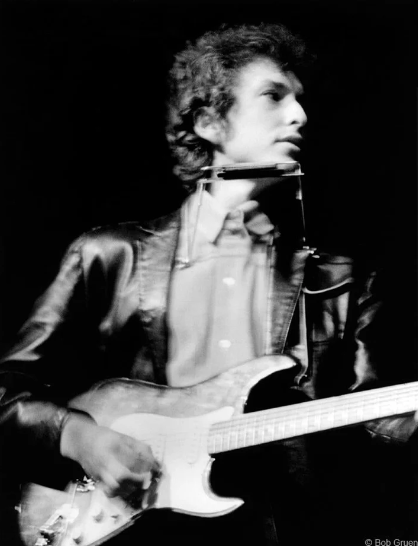
My first exhibition for Bob Gruen was in 1995, thirty years after he had photographed Dylan when he went electric at the Newport Folk Festival.
Newport, Rhode Island, 1965. Photo by Bob Gruen.
It was a great pleasure to present Linda McCartney’s first exhibition, “Portraits of an Era,” at Govinda Gallery in 1993. It was also a launch for her book by the same name. Linda was a pleasure to work with and we had made plans for a second exhibition before her untimely passing. We love Linda.
Woodstock, NY, 1969. Photo by Linda McCartney.
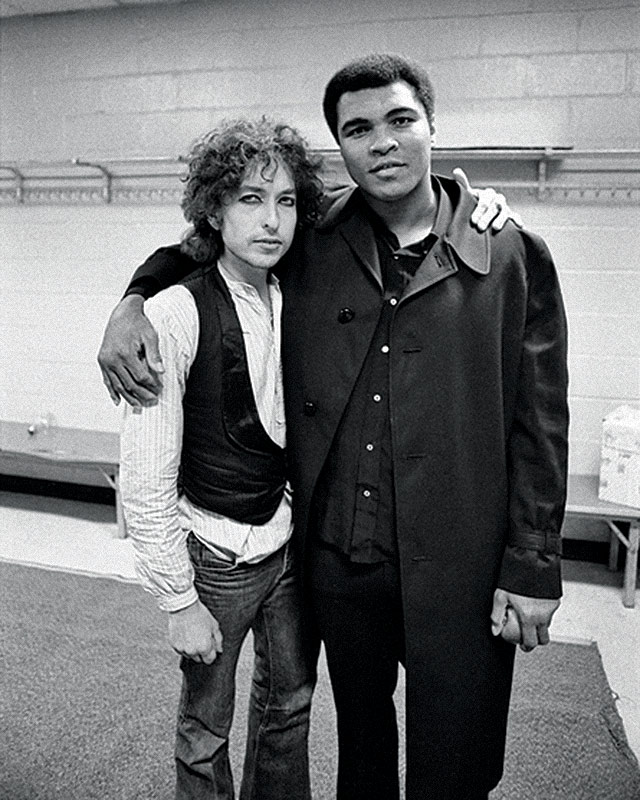
In 2005, Govinda Gallery had the first exhibition of Ken Regan’s photographs “Photographs of Bob Dylan and The Rolling Thunder Revue.” That exhibition also celebrated the publication of The Rolling Thunder Logbook by Sam Sheppard (Dacapo Press). I also edited Knockout: The Art of Boxing, by Ken Regan and Chris Murray (Insight Editions), featuring Ken’s photographs of boxers. Muhammad Ali had spent a few amazing days at Govinda Gallery when I launched his best friend Howard L. Bingham‘s book Muhammad Ali: A Thirty-Year Journey. Dylan and Ali are two of my favorite artists!
Madison Square Garden, New York City, 1975. Photo by Ken Regan.
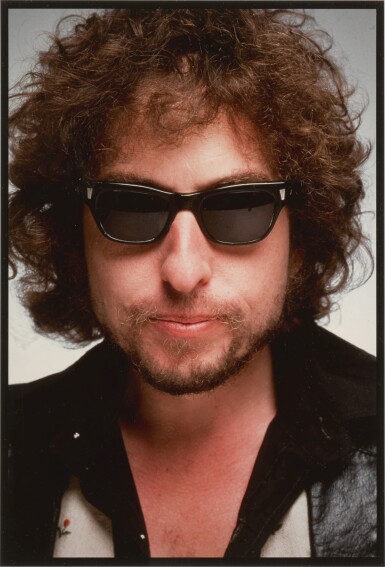
It was a great pleasure to have Annie Leibovitz‘s first exhibition at Govinda Gallery in November of 1984. She had just left Rolling Stone magazine, and the exhibition was also a launch for her first book Annie Leibovitz: Photographs (Pantheon/Rolling Stone Press, 1983). Annie had two more exhibitions at Govinda Gallery in 1987 and 1992. Annie’s work inspired me to champion significant photographs of musical artists.
Los Angeles, California, 1977. Photo by Annie Leibovitz.
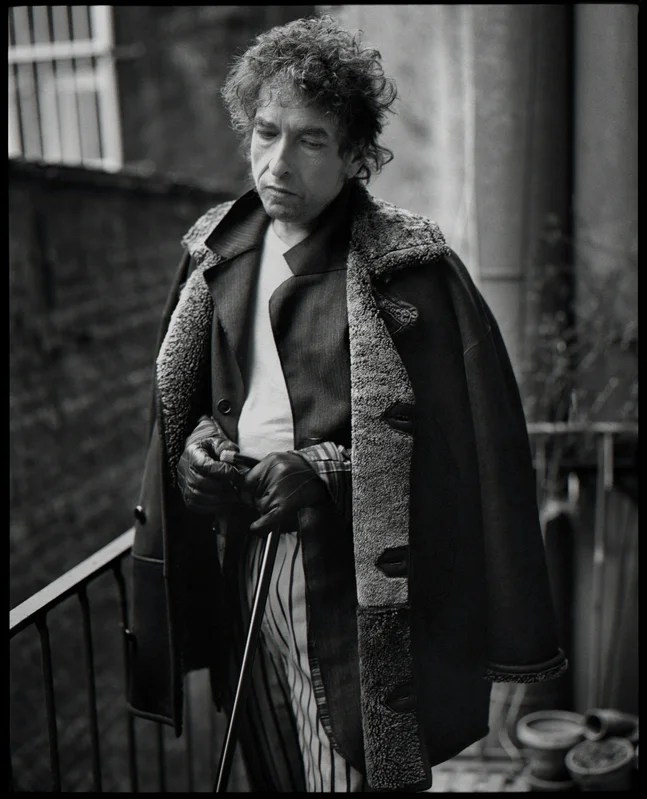
One of my favorite photos of Dylan was taken by Mark Seliger in 1995. I first showed Mark’s photographs in 1999 in his exhibition “Physiognomy.” I also showed Mark’s photographs in the exhibition “In My Stairwell” in 2005, which was a launch for his book of the same name, published by Rizzoli.
New York City, 1995. Photo by Mark Seliger.
Govinda Gallery also hosted Danny Clinch’s first exhibition “Photographs.” Danny is a great guy, and a great photographer.
Los Angeles, California, 1999. Photo by Danny Clinch.
I hope you enjoyed this photographic celebration of Bob Dylan at Govinda Gallery.
]]>0Chris Murray<![CDATA[Celebrating Donovan’s Birthday!]]>http://govindagallery.com/?p=238982026-05-12T20:00:55Z2026-05-10T04:00:00ZBy Chris Murray
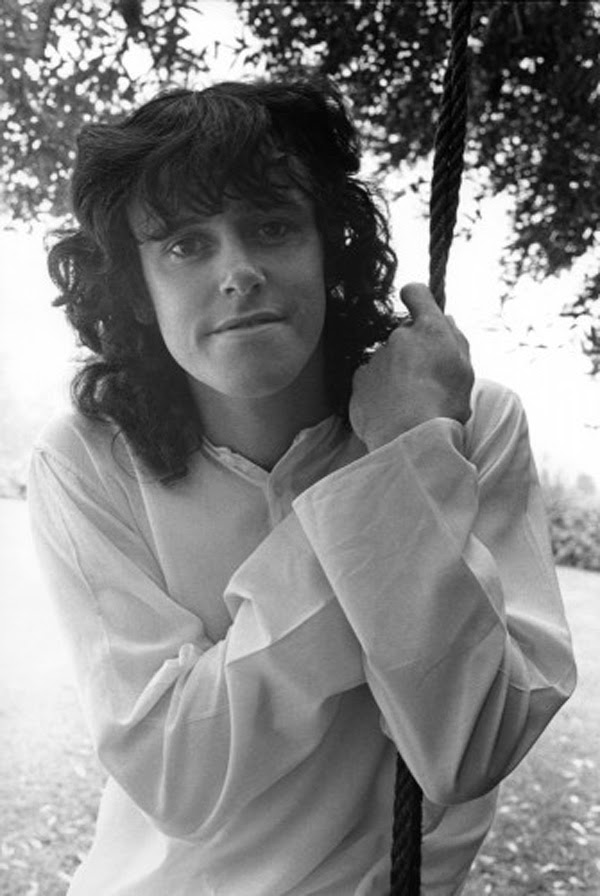
Today I celebrate my friend and artist extraordinaire Donovan’s birthday!
Photo by Baron Wolman.
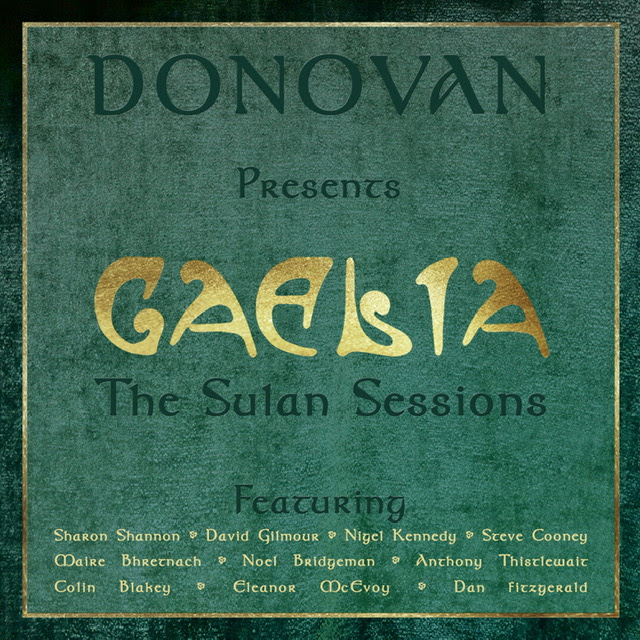
Donovan is touring Ireland this summer celebrating his latest album, Gaelia.
Donovan also released a free epic film essay of TheTale of the Gael.
Enjoy these photos of me and Donovan over the years!
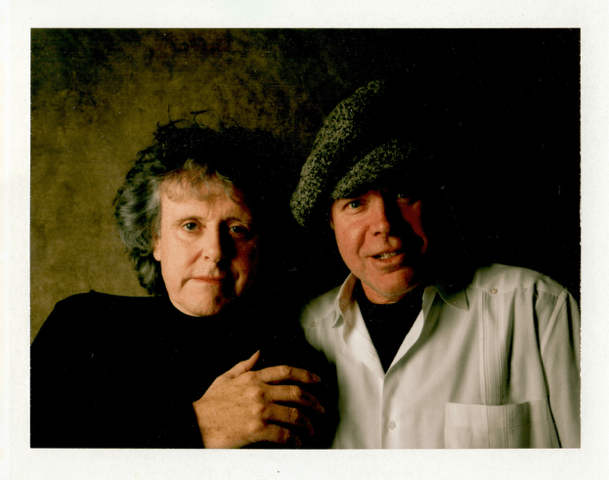
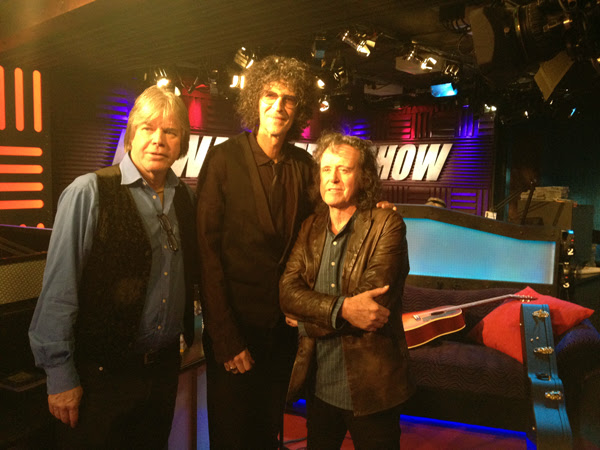
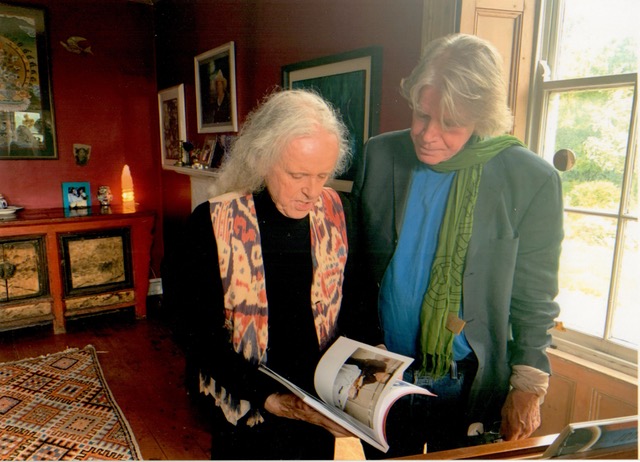
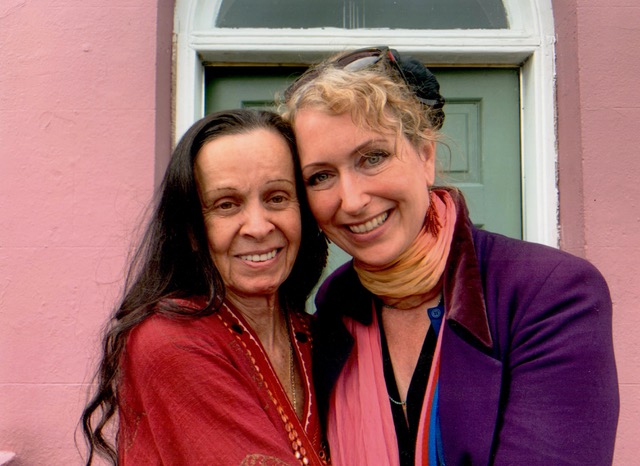
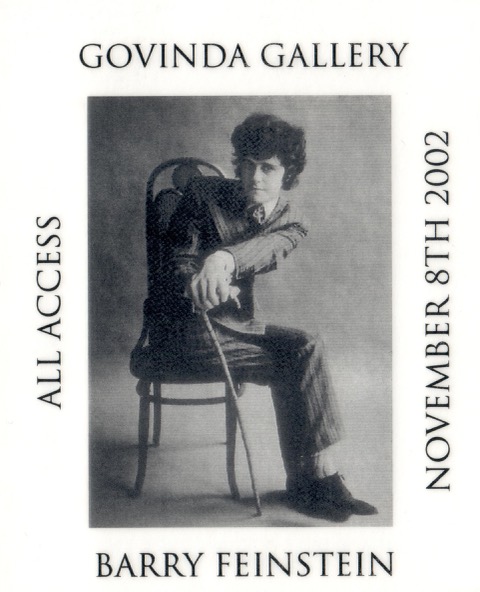
Donovan and Chris Murray.Chris Murray, Howard Stern, and Donovan.Donovan and Chris, Ireland.Donovan’s Wife and muse, Linda, with artist Carlotta Hester, Ireland.Govinda Gallery “Backstage Pass” for Barry Feinstein’s exhibition.
Happy Birthday Donovan!!!
]]>0Chris Murray<![CDATA[Govinda Gallery Live in Hollywood on the Potomac]]>http://govindagallery.com/?p=238862026-05-08T19:11:50Z2026-05-08T05:43:22ZThe Stones
At 1310 Kitchen in Georgetown, an evening unfolded that felt less like an event and more like a perfect night out — where rock ’n’ roll history, fine art and a memorable meal moved in sync.
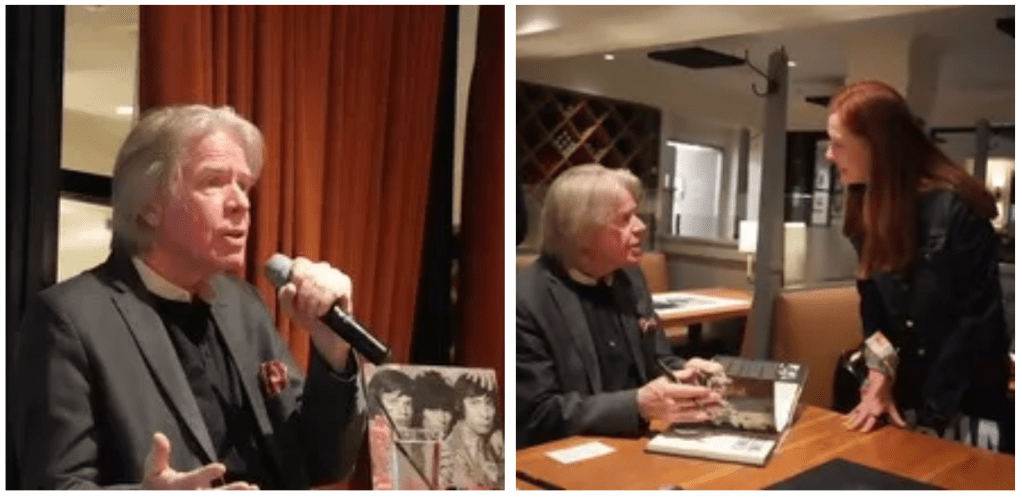
At the center of it all was Chris Murray, the guiding force behind Govinda Gallery, whose ongoing series of presentations on iconic musical artists has become something of a cultural fixture. This time, Murray turned his attention — and his unmistakable enthusiasm — to The Rolling Stones, his favorite performing band. That personal connection set the tone: What followed was not just a presentation, but a lively, deeply felt celebration.
About the book: Rolling Stones 50 x 20 celebrates the remarkable fifty-year career of “The World’s Greatest Rock ’n’ Roll Band” with images captured by twenty of the world’s greatest music photographers. Featured are more than eighty exceptional photographs that document the longevity of one of the most influential, enduring and controversial bands in rock history.
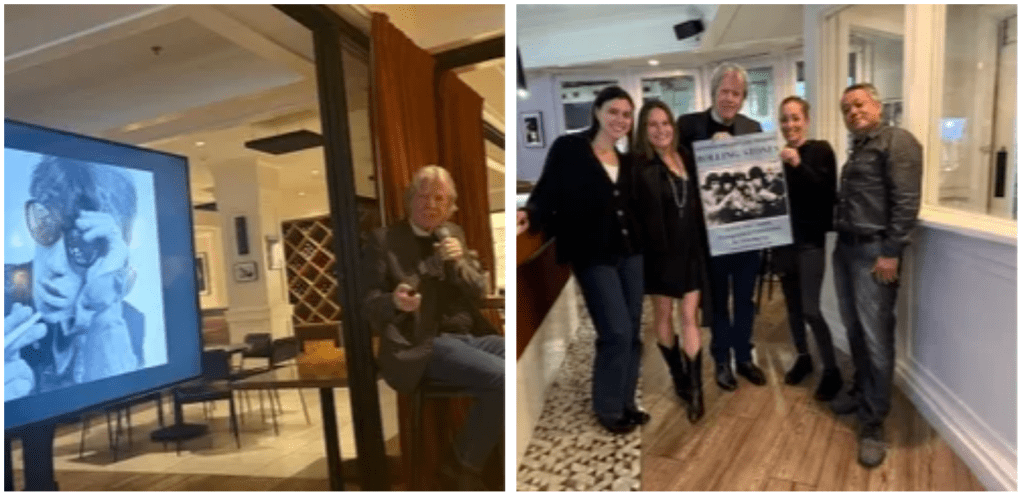
Through a dynamic audiovisual experience, Murray brought the Stones roaring into the room — decades collapse as Mick struts and the mythology of the band flickers vividly across the screen. But Murray doesn’t simply present; he animates. Stories surface with the ease of memory, rich with backstage texture and the kind of detail that transforms legend into something almost tangible.
Threaded through the evening is a meal by renowned chef Jenn Crovato, whose cooking adds its own layer of warmth and rhythm. The dinner is as thoughtfully composed as the presentation itself — inviting, generous and designed to be shared. Guests lean into conversation, into the images, into the moment as Georgetown’s usual polish gives way to something looser, more electric.
And just when the night seems to crest, it lingers.
Chris Murray
After the presentation, guests were welcomed into a more intimate final act: The opportunity to meet Murray, have him sign copies of his book, The Rolling Stones: 50×20, and spend time with a selection of original signed prints featured in the program. These images — iconic, rare and alive with history — offer a tactile connection to the stories just told.
It’s a fitting close to an evening that refuses to feel finite. Because this isn’t just about The Rolling Stones — it’s about the enduring pull of culture, the way music and image and memory collide, and how, for a few hours in a Georgetown dining room, it can all feel thrillingly present again.
A good time, as promised, was had by all. And like any great Rolling Stones set, the night didn’t end so much as fade out ……………
]]>0Chris Murray<![CDATA[44 Years Ago with the Rolling Stones]]>http://govindagallery.com/?p=238702026-04-26T04:24:40Z2026-04-26T04:04:34ZBy Chris Murray
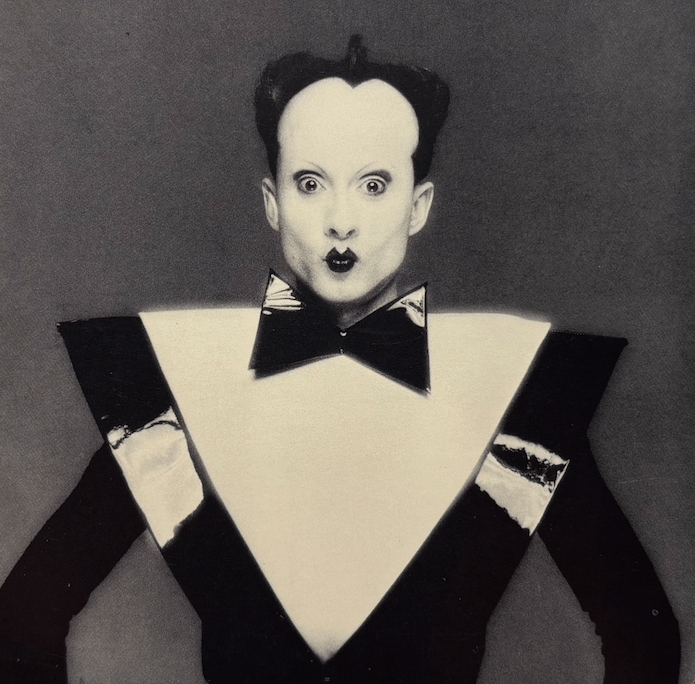
Klaus Nomi, 1981 by Michael Halsband
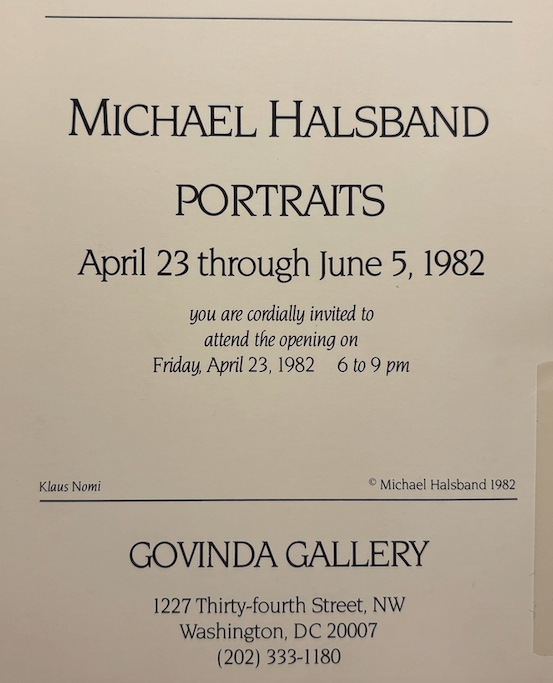
It was 44 years ago this month that photographer Michael Halsband had his first exhibition at Govinda Gallery.
Govinda Gallery Invitation Card for Michael Halsband Exhibition
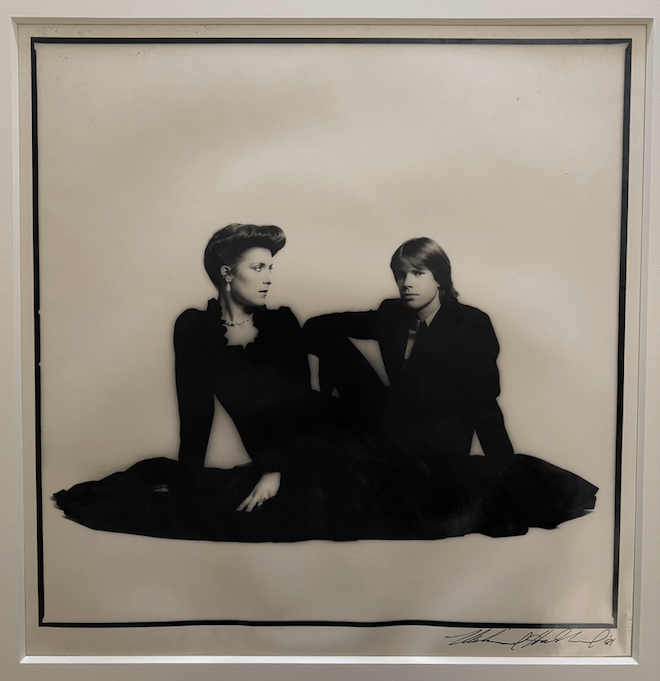
I met Michael as he was assigned to photograph myself and the artist Kim Waters for a full page spread in Interview Magazine in February 1981. I had collaborated with Kim on our book Illuminations from the Bhagavad-Gita (Harper & Row), which she had stunningly illuminated with over a 100 paintings and drawings. Michael’s exhibition was also the first at Govinda Gallery that included photographs of musical artists, among others.
Kim Waters and Chris Murray, 1981 by Michael Halsband
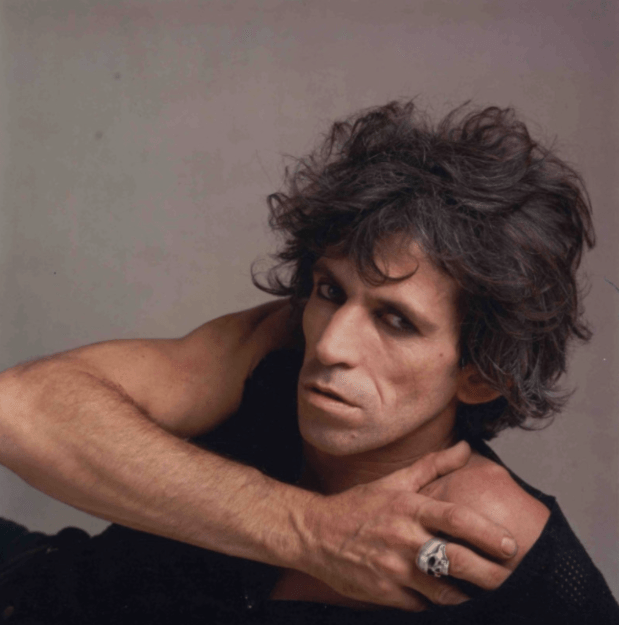
Michael had been hired by The Rolling Stones to be their tour photographer, and had me join him at a number of gigs on the tour, including the Stones’ five days in Washington D.C. The shows at Hampton Roads Virginia were the last of the tour and the last show was on December 18, Keith Richard‘s birthday. There was a party backstage after the gig and Keith’s mother was there. My birthday is December 19th and by the time the party started, it was my birthday! When I told that to Keith he said, “yeah Chris, you, me and Bobby Keys!” He then gave me the confectionary guitar on top of the cake! Keith is a wonderful fellow a great time was had by all.
Keith Richards, 1982 by Michael Halsband
I’m looking forward to my audio visual presentation “The Rolling Stones 50×20” at 1310 Kitchen in the Georgetown Inn on Tuesday.
]]>0Chris Murray<![CDATA[The Rolling Stones at 1310 Kitchen in Georgetown!]]>http://govindagallery.com/?p=238552026-04-21T05:07:53Z2026-04-21T05:07:05ZBy Patrick Pearse
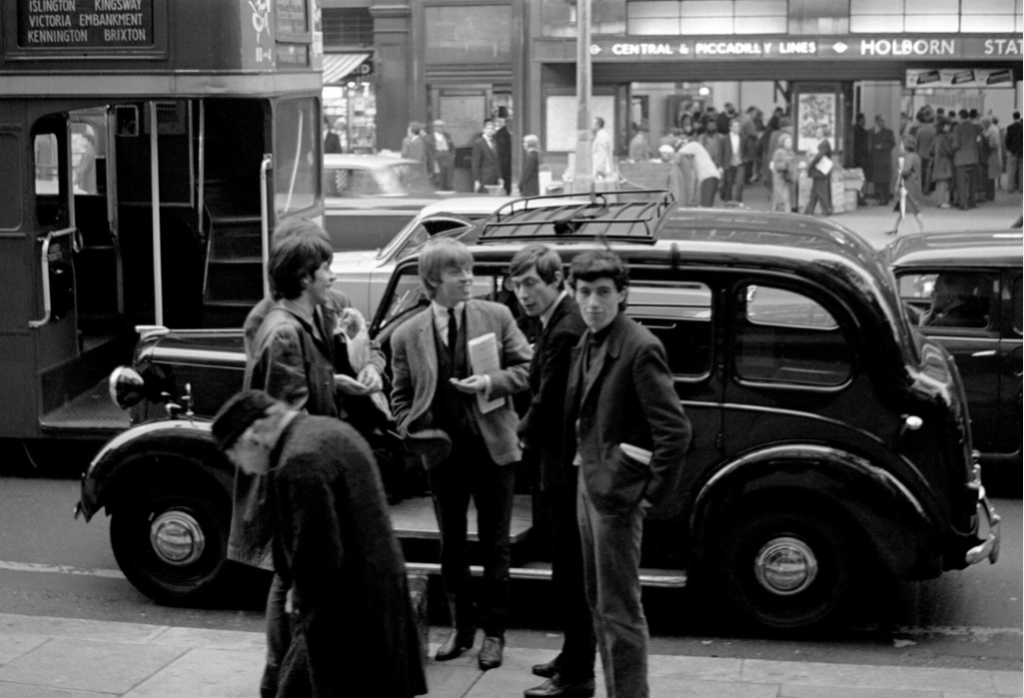
Photo by Gus Coral
Next Tuesday evening, April 28th, Govinda Gallery director Chris Murray will be presenting an audiovisual presentation and celebration of The Rolling Stones at 1310 Kitchen in Georgetown. This presentation is the latest in the series of Murray’s engaging presentations of important musical artists. As The Rolling Stones happen to be Murray’s favorite performing band, it is sure to be a lively evening.
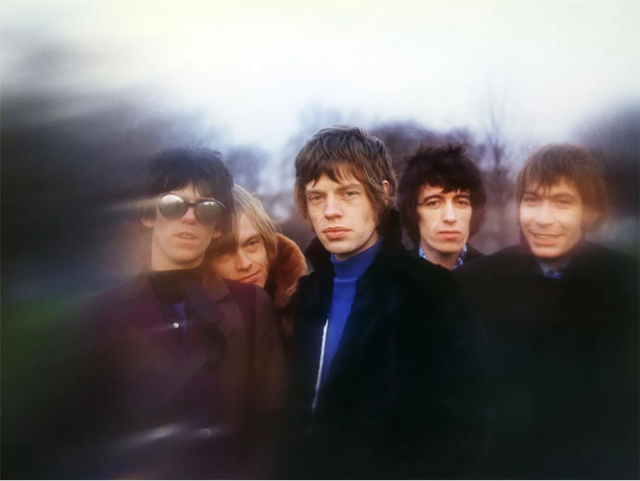
Photo by Gered Mankowitz
Included in this visual celebration of The Rolling Stones is a meal from legendary chef Jenn Crovato. A good time will be had by all. After the presentation, guests will have an opportunity to have Murray sign copies of his book The Rolling Stones: 50×20, as well as to see some of the original signed prints featured in the presentation.
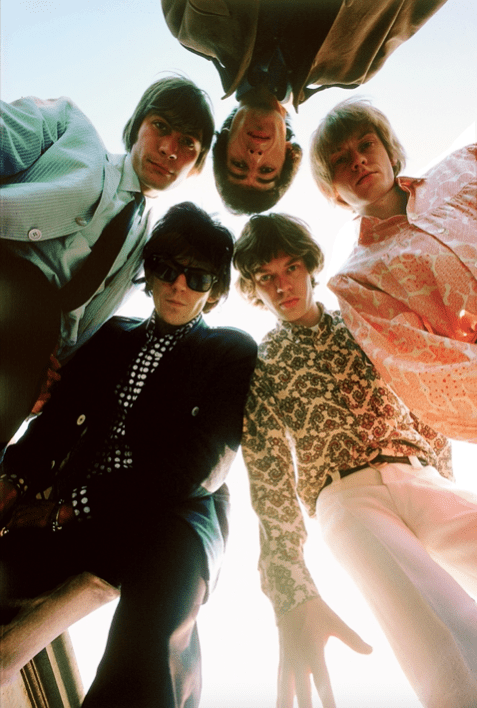
Photo by Art Kane
]]>0Chris Murray<![CDATA[Walter Egan At The Palisades Hub]]>http://govindagallery.com/?p=238352026-04-09T13:10:38Z2026-04-08T14:21:15ZOtis Redding by Walter Egan
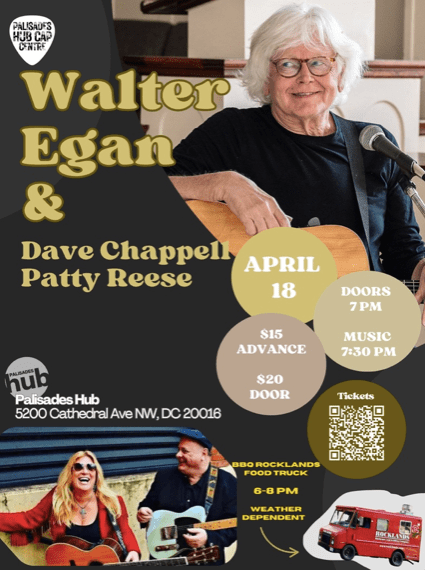
Rockstar and Govinda Gallery artist, Walter Egan, is performing at the Palisade’s Hub on Saturday, April 18th. Walter will be performing his chart-topping song, “Magnet and Steel,” along with many others, while telling stories about his life as a musical and visual artist.
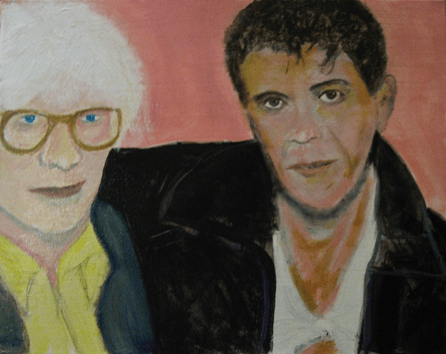
Andy and Lou by Walter Egan
Walter has recorded and performed with Stevie Nicks, Gram Parsons, Jackson Brown, Lindsay Buckingham, Wanda Jackson, Emmy Lou Harris and many other musical artists. Walter continues to write, produce and record new music and perform around his home in Nashville, as well as nationally and internationally.
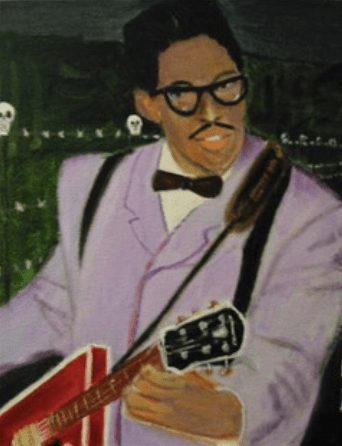
Bo Diddley By Walter Egan
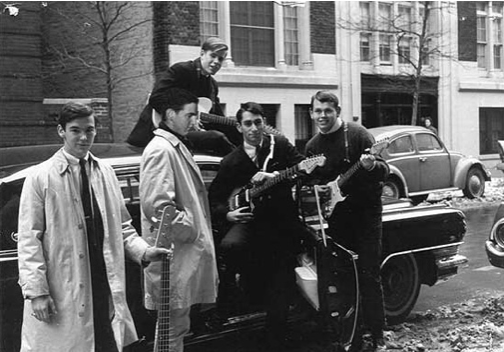
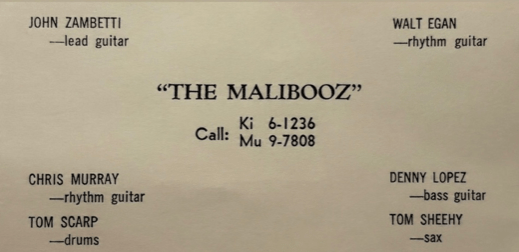
Govinda Gallery Director Chris Murray performed with Walter in their high school band The Malibooz in New York City in the 1960’s. Murray co-wrote “Goin’ to Malibu” with founding member John Zambetti, which was released on their Rhino Records album Malibooz Rule. Murray will join Egan at the Palisades Hub on a few songs from that time.
Below are the details and the ticket link to Walter Egan’s gig at the Palisades Hub.
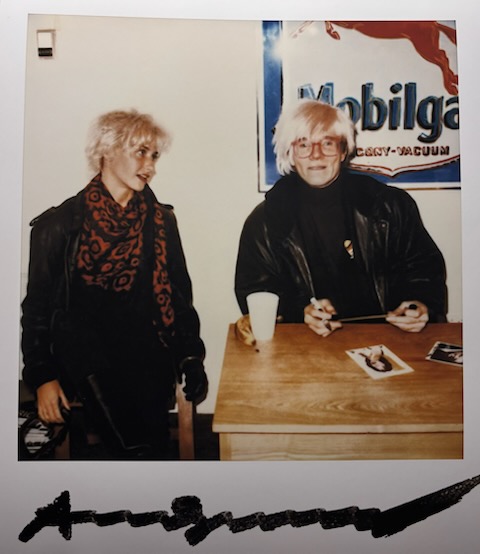
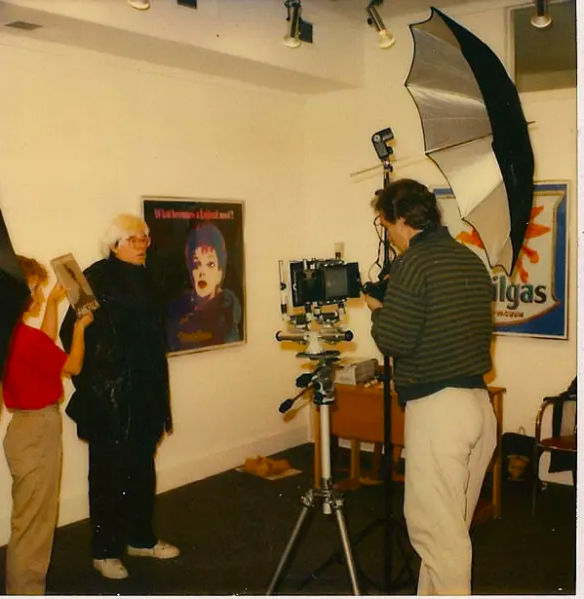
]]>0Chris Murray<![CDATA[Andy Warhol at Govinda Gallery!]]>http://govindagallery.com/?p=238192026-04-03T19:13:52Z2026-04-03T18:44:55ZAndy Warhol and Carlotta Hester, Govinda Gallery 1985. Polaroid by Chris Murray. Autographed by Andy Warhol.
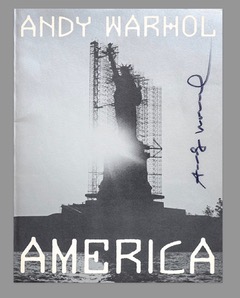
Govinda Gallery launched Andy Warhol’s book America (Harper Collins) in October 1985. Andy attended the launch, and autographed his book for everyone who came. Govinda was exhibiting Warhol’s “Ad’s” series of silkscreen prints. It was an amazing day for everyone!
Lucian Perkins photographed Andy that day for The Washington Post, which published a front page feature story on Warhol’s exhibition and book launch at Govinda Gallery.
Karen Anderson-Moree, Andy Warhol, and Lucian Perkins. Polaroid by Chris Murray.
]]>1Chris Murray<![CDATA[Govinda Gallery Live Presents: The Rolling Stones]]>http://govindagallery.com/?p=238132026-03-12T18:45:25Z2026-03-12T18:45:25Z
Tuesday, April 28 | 6–9 PM 1310 Kitchen & Bar – Georgetown
Join us for an unforgettable evening celebrating the world’s greatest rock ‘n’ roll band — The Rolling Stones — through the lens of some of the most iconic photographers in music history.
As part of 1310 Kitchen & Bar’s Govinda Gallery Live storytelling series, gallery director Chris Murray presents a photo-by-photo journey through Rolling Stones 50×20, sharing the behind-the-scenes stories, cultural moments, and personal insights that bring each image to life.
Published in honor of the band’s 50th anniversary, Rolling Stones 50×20 is described by Murray as a “tip-of-the-hat to the greatest rock ‘n’ roll band in the world.” The stunning hardback volume features a foreword by Richard Harrington and an afterword by Chris Salewicz.
The book showcases legendary photographs by: Gus Coral, Bob Bonis, Eric Swayne, Gered Mankowitz, Jan Olofsson, Eddie Kramer, Michael Joseph, Barry Feinstein, Baron Wolman, Michael Cooper, Michael Putland, Bob Gruen, Mark Weiss, Chris Makos, William Coupon, David Fenton, Claude Gassian, Ross Halfin, Mark Seliger, and Fernando Aceves.
Through Chris Murray’s storytelling, each photograph becomes more than an image — it becomes a moment in rock history.
]]>1Chris Murray<![CDATA[Bob Weir, Baron Wolman, Wade Davis, and The Kennedy Center Honors]]>http://govindagallery.com/?p=237992026-03-06T02:57:46Z2026-03-06T02:50:43ZBy Chris Murray
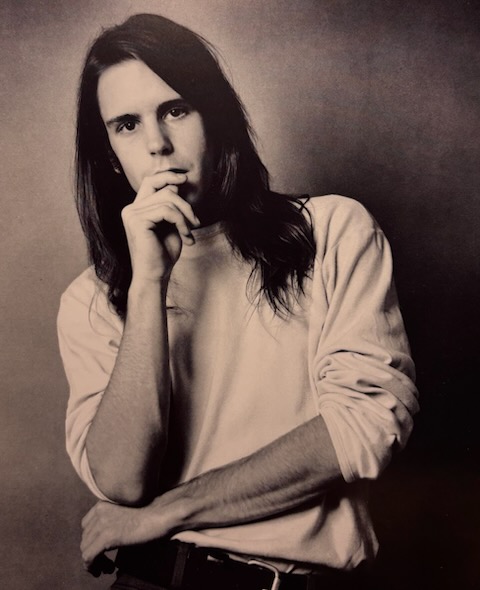
Bob Weir, Belvedere Street Studio, San Francisco, July 1969. Photo by Baron Wolman.
I had the great pleasure of first exhibiting Baron Wolman‘s photographs at Govinda Gallery in 1994. Baron was the first chief photographer for Rolling Stone Magazine. I went on to exhibit Baron’s photographs internationally in museums and galleries. This portrait of the late great Bob Weir was taken in 1969. Hats off to Bob and Baron, both of them gone but not forgotten.
My friend and collaborator Wade Davis wrote the text for The Kennedy Center Honors catalogue in 2024, honoring The Grateful Dead. Wade was a dear friend of Bob Weir. Here are Wade’s words honoring The Grateful Dead, and Bob.
Wade Davis Tribute to the Grateful Dead, Kennedy Center Honours October 2, 2024
The Acid Tests set the stage- Kesey and the Pranksters, a tapestry of sound and light, the audience as one with the band, an ecstasy of movement, a partnership of equals, no leaders, no adulation, no limits; a shared quest, a “cosmic mandala,” as Jerry Garcia described it. Young people seeking something new, going further than any thought possible.
LSD was the catalyst. Nothing taught in school or distilled from scripture could match what acid delivered, a spiritual catharsis that cracked open the sky. Parents warned that if you took the drug you’d never come back the same. That, of course, was the entire point.
But for the Dead it was always about the music and they could play anything- rock and roll, blues, folk, Stax-Volt, rhythm and blues, rockabilly, jug band, country-western, gospel, calypso, western swing, New Orleans, or jazz. Their setlists drew from every genre, a repertoire that in time grew to over 500 songs. No two shows were ever the same- and they played 2,318 of them.
Their influences included Earl Scruggs, Bill Monroe, Merle Haggard, and Buck Owens, but also Miles Davis and John Coltrane, who taught them what improvisation was all about. Jazz saxophonist Branford Marsalis sat in during the spring tour of 1990 and was blown away. “I’d never seen anything like it. Most rock shows are just like versions of MTV, but not the Dead…Those guys can play music. They’re into jazz, they know Coltrane, they’re American musical icons.”
The band members were all exceptional musicians- experimental, innovative, and courageous. Phil Lesh, a prodigy entranced by classical music at the age of four, took up bass guitar on a whim and reinvented what it meant to be a player. Ron “Pigpen” McKernan, son of an R&B disk jockey, was a serious student of the blues. Bobby Weir, a four-year veteran of the scene at just 21, played rhythm guitar in his own inimitable style, seeking always the spaces between the tones, the sounds between the notes, his singing voice as fine as any in rock and roll.
Their work ethic was ferocious, their dedication to craft unreal. When Jerry Garcia first picked up the banjo, he practiced four hours a day and then went out and played for another three. Mickey Hart and Billy Kreutzmann joined forces in 1967 as the original rhythm devils; they used self-hypnosis to synchronize their beats, each drumming with one hand around the other’s back, both playing with one arm, pausing to check their pulses, locking in their heartbeats. Mickey laid down the challenge. “We’re not in the entertainment business. We’re in the transportation business. We move minds.”
And indeed, they did. No band has ever had a stronger connection to its audience. The legions of Dead Heads saw the band members as no different from themselves, save that the boys could play. “We exist by their grace,” Garcia acknowledged, explaining the band’s unprecedented decision to allow their concerts to be taped. “Once we’re done with [the music], it’s theirs.” Reciprocity forged a single community. The Dead played everywhere and often, keeping ticket prices as low as possible and gifting tickets at random. The Dead Heads in turn carried the band. As Phil Lesh put it, “When the Grateful Dead is happening, it happens to everyone, band and audience. So in a sense, we’re all playing in the band.”
They sang of emptiness and sorrow, redemption and hope. Grifters and dreamers, losers and winners, Cain, Ezekiel and Delilah. Out of the madness, war in Viet Nam, racial agonies at home, they offered a new American dream, which was in fact as old as the nation itself- the notion that all things are possible, that you can take to the open road and reinvent your past, reimagine your present, resurrect your future. Their lyrics showed what words can do, the bardic poetry of Robert Hunter, the musings of John Perry Barlow, eyes wide open to wonder, both serving a universal muse, music reaching out as the ultimate weapon of love.
Joseph Campbell, who spent much of his life seeking evidence of mythic archetypes in contemporary culture, hit pay dirt at his first Grateful Dead show. “This was a real Dionysian festival- 25,000 people tied at the heart, standing in mild rapture for five hours while these boys let loose everything on stage. This is more than music. It turns something on here, in the heart. And what it turns on is life energy.” He later described a Grateful Dead concert as a religious experience, “the antidote to the atom bomb.”
As Dead Heads have always professed, there has never been anything to compare to the Grateful Dead, very much alive, playing their hearts out, true always to a single mantra; it is not the artist that sings the song, as Bobby Weir would say, it is the spirit of the song that sings the artist. After more than sixty years, they remain the most successful band in the annals of American popular music, with a legacy that has incomparably enriched the American songbook, musical stories that will fire our hearts for generations to come.
Wade Davis is a cultural anthropologist and an award-winning writer, photographer and filmmaker. He was Explorer-in Residence for the National Geographic Society from 2000 to 2013.